
Stimulant Addiction Treatment in Los Angeles, CA
Compassionate support for young men struggling with stimulant addiction
Stimulants like Adderall, meth, and cocaine may offer short bursts of focus or energy, but long-term use leads to emotional crashes, paranoia, and serious health risks. At New Life House, we help young men restore balance and rebuild their lives after stimulant addiction with structure, accountability, and compassionate peer support.
Stimulant addiction recovery at New Life House
At our Los Angeles sober living homes, young men recovering from stimulant addiction find the structure and encouragement needed to move forward. Surrounded by peers who understand the unique challenges of overcoming substances like Adderall, cocaine, or meth, you can gain the tools, balance, and resilience required to live substance-free.
Our program includes:
- Outpatient support designed to address both stimulant addiction and co-occurring mental health concerns
- A strong peer community that promotes accountability and lasting connections
- Practical life skills training to rebuild confidence and independence
- Consistent routines, responsibilities, and healthy daily habits
- Family involvement to heal relationships affected by addiction
- A recovery community committed to helping young men achieve long-term sobriety


Getting off stimulants safely
Unlike other substances like alcohol, opioids, or benzos, medical supervision is rarely needed for physical stimulant withdrawal symptoms; however, the psychological symptoms can be overwhelming.
Our partner, Clear Behavioral Health, provides comprehensive stimulant addiction treatment programs that address the severe depression and intense cravings you might experience in early recovery from stimulant abuse. They’ll focus on helping you stabilize and start introducing you to long-term coping strategies before you come to New Life House.
Mental health tools to stabilize and grow
Many young men develop stimulant addictions due to underlying mental health conditions. For example, ADHD and stimulant abuse often intersect, or you may be struggling with depression as a result of overusing cocaine, and benefit from additional mental health support.
Our partner, Neuro Wellness Spa, provides specialized psychiatric care to support your recovery journey. You will be matched with a provider and receive an assessment to determine if medication management for ADHD, anxiety, depression, and other mental disorders, or dual diagnosis treatment that addresses both mental health and substance use, is right for you.

What is stimulant addiction? (stimulant use disorder)
Stimulant addiction, or stimulant use disorder, is a condition that can occur when your brain becomes dependent on substances like Adderall, methamphetamine, or cocaine, which dramatically increase levels of dopamine and norepinephrine.
These drugs overtake your central nervous system, creating intense but unsustainable energy, focus, and euphoria. If you struggle with stimulant addiction, you’d start to need more of the drug to achieve the desired effect, and you will continue to use these substances despite negative consequences.
Whether you start with prescription stimulants like Adderall for attention deficit hyperactivity disorder (ADHD) or recreational cocaine use, the impact and progression to stimulant dependence are the same.
What addiction to stimulants looks like
Understanding the signs and symptoms of stimulant abuse can help you identify when to step in and seek professional help. Here are some of the physical, mental, and behavioral changes to watch out for:
- Physical symptoms: Excessive stimulant use can lead to a wide range of physical symptoms, including insomnia, rapid weight loss, jaw clenching, teeth grinding, and spurts of energy followed by exhaustion. Many young men also experience less noticeable signs, such as high blood pressure, elevated body temperature, heart palpitations, and even tremors.
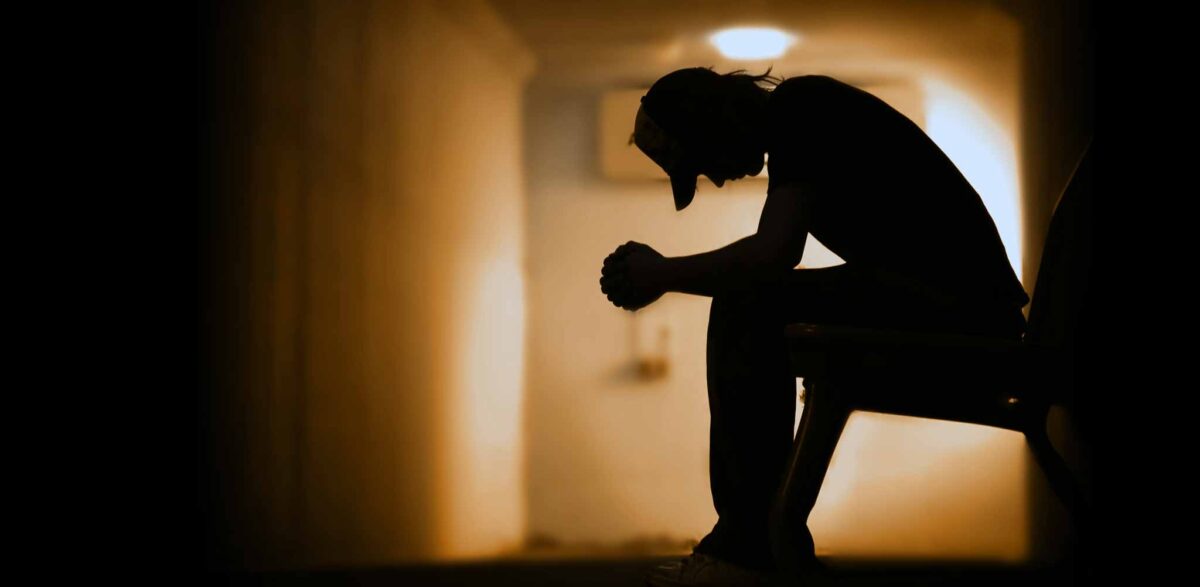
- Mental and emotional signs: Stimulants can cause significant mental and emotional struggles, which may appear as agitation, paranoia, and severe anxiety. During a stimulant crash, it is common to feel a deep depression and struggle with suicidal ideation.
- Behavioral changes: Due to the nature of stimulant use disorder, these changes will vary from person to person. It could look like overworking and periods of efficiency, followed by social isolation and task paralysis. You might hyperfocus on meaningless tasks, be extremely talkative, and struggle with poor decision-making when high. Many young men engage in risky sexual behavior, spend money impulsively, or abandon responsibilities entirely.
Types of stimulants
Some types of commonly abused stimulants are:
Prescription stimulants:
- Adderall
- Vyvanse
- Amphetamine salts
- Concerta
- Ritalin
- Dexedrine
Illegal stimulants:
- Methamphetamine (meth)
- Cocaine
- Bath salts
- MDMA (ecstasy, molly)
Structure that rebuilds focus
Recovery from stimulant addiction requires learning how to function and understanding that you can succeed without the drugs. New Life House provides sober living for stimulant addiction with a specific focus on consistent daily routines, house and personal responsibilities, peer support and accountability, as well as family involvement in the treatment process.
Rebuilding your life after stimulant abuse through restoring healthy sleep patterns, getting your executive function skills back, fostering genuine connections, and finding satisfaction in everyday accomplishments takes time, but healing is possible.


From burnout to breakthrough
Stimulant addiction often leaves young men feeling defeated and unsure of their ability to live life without drugs. Overcoming substance use disorders involves setting achievable goals, focusing on personal development, and establishing authentic connections that support restoring your confidence.
Our recovery community shows that changing your life and long-term recovery from stimulant addiction are completely achievable. If you or a loved one is struggling with addiction, contact us today to find out how our program can help you get your life back.
Our programs









Our Dedicated Team
With a wide range of experience, our team is here to help you and your loved ones achieve sustainable wellbeing






What people are saying:
Contact us.
For more information about our services or to schedule a tour, send us a message today and our expert team will be in touch.