
You might think addiction is mostly about physical withdrawal. The shaking, sweating, nausea, or other physical symptoms that show up when someone stops using drugs or alcohol.
But what if the hardest part isn’t physical at all?
For many people, the real challenge is psychological dependence. This is emotional and mental attachment to a substance that lingers long after physical withdrawal symptoms fade. Cravings, anxiety, restlessness, and obsessive thought processes can continue driving substance use even when the body is no longer in crisis.
If you want to understand why recovery sometimes feels harder than expected, you have to understand this invisible side of addiction.
What is Psychological Dependence?
A simple psychological dependence definition is this:
The emotional and cognitive attachment to a substance that creates cravings, compulsive use patterns, and difficulty stopping, even when you know it’s harmful.
Addiction professionals explain that addiction involves changes in your brain circuits related to reward, stress, and self-control [1]. Over time, repeated drug use strengthens these pathways. The substance becomes tied to relief, comfort, or escape.
You may not always see dramatic physical symptoms. But internally, there’s:
- A strong desire to use
- Obsessive thought processes about obtaining or using the substance
- Emotional distress when it’s unavailable
- Difficulty experiencing joy the same way without it
Psychological addiction can feel overwhelming because it lives in your emotional and mental processes.
Related: Understanding Chemical Dependency: How and Why it Happens

What is Physical Dependence?
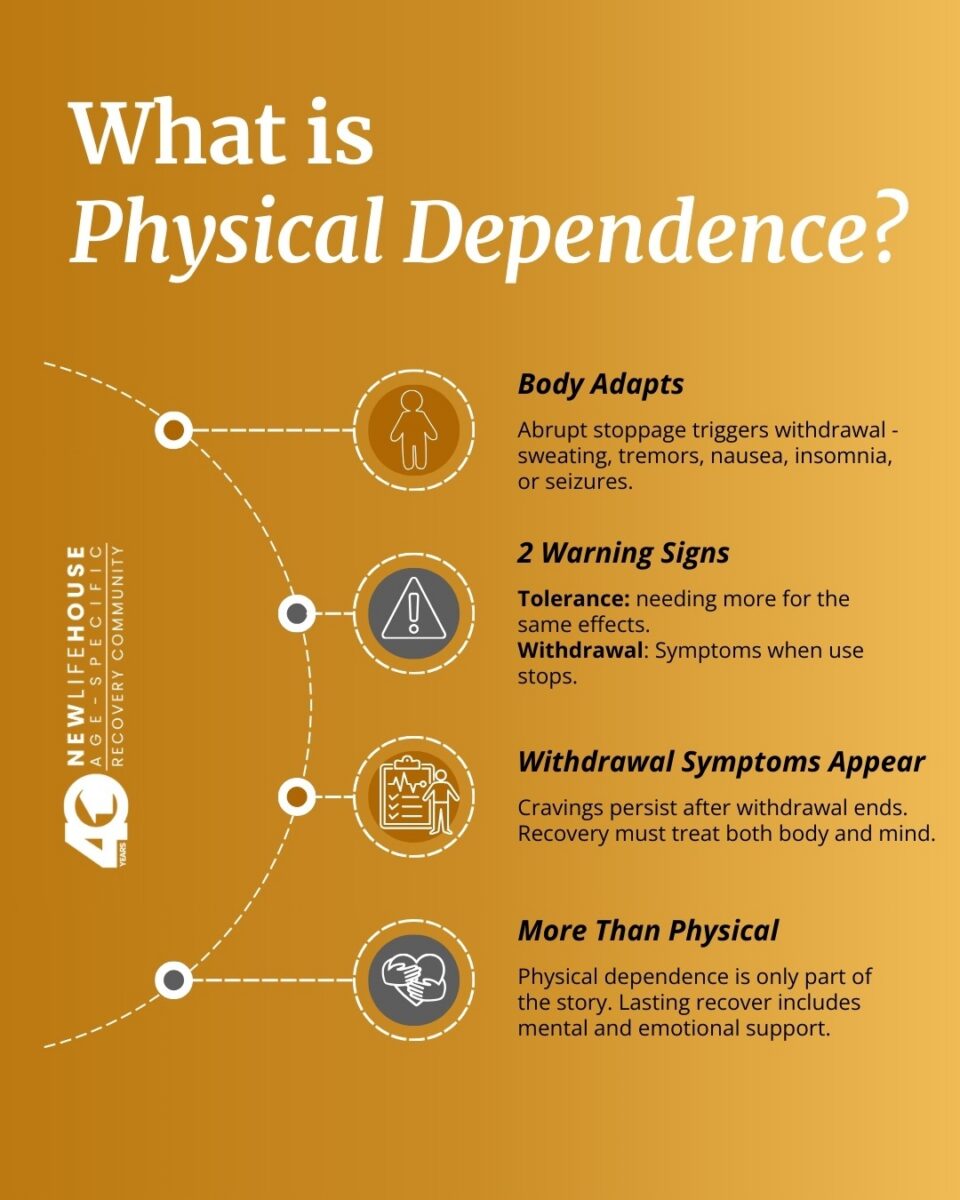
Physical dependence involves the body adapting to a substance so that abrupt cessation causes physical withdrawal symptoms. This may include sweating, tremors, nausea, insomnia, or, in severe cases, seizures (especially with alcohol, benzodiazepines, or opioids) [4].
Over time, physical tolerance can develop, meaning more of the substance is needed to achieve the same effect.
Physical dependence is a big part of drug dependence, but it’s only one piece of the puzzle.
What are the two signs of Physiological Dependence?
Two hallmark signs include:
- Tolerance (needing more for the same effect)
- A physical withdrawal syndrome when use stops [4]
These physical processes are serious and sometimes medically dangerous. Even after physical withdrawal ends, psychological cravings can continue.
That’s why recovery needs to address both psychological and physical dependence.
Related: Physical and Psychological Dependence
What are the Causes of Psychological Dependence?
Psychological dependence rarely develops randomly; it often begins as an attempt to cope.
Self-Medication and Emotional Relief
Many people drift toward substance use because it temporarily reduces anxiety, emotional distress, trauma symptoms, or depression. The National Institute of Mental Health notes the strong connection between substance use disorders and co-occurring mental health conditions [3].
If a drug reduces anxiety even briefly, your brain learns: this works. Over time, that relief becomes reinforcing.
Brain Reward Pathways
Repeated drug use alters dopamine circuits in the brain’s reward system [1]. These changes increase motivation to seek the substance again, even when the rewarding effects decrease.
This helps explain why someone can feel psychologically dependent long after the initial euphoria fades.
Stress and Learned Triggers
Addiction research shows stress systems in the brain become more reactive over time [1]. Environmental cues (certain people, places, even emotional states) can activate psychological cravings months after someone stops using.
Co-Occurring Mental Health Conditions
Anxiety disorders, trauma exposure, depression, and other mental disorders frequently overlap with substance use [3]. When untreated, these co-occurring issues strengthen psychological dependence because the substance becomes a coping mechanism.
Related: Dual Diagnosis and Co-Occurring Disorders: Treating Mental Health and Addiction Together
What are the Signs of Psychological Dependence?
You may notice:
- Constant thinking about drugs or alcohol
- Using substances to manage anxiety or stress
- Emotional discomfort without the substance
- Prioritizing substance use over responsibilities
- Continuing use despite adverse effects
These patterns reflect psychological addiction because of the emotional attachment to the substance as a solution.
Related: Signs of Drug Use in Your Child
What are Psychological Withdrawal Symptoms?
When most people hear “withdrawal,” they think of physical symptoms, like shaking, nausea, and sweating. Psychological withdrawal symptoms can be just as disruptive and sometimes even more dangerous for long-term recovery.
Psychological withdrawal symptoms may include:
- Intense anxiety
- Irritability or agitation
- Depression or hopelessness
- Restlessness
- Difficulty concentrating
- Strong psychological cravings
- Emotional numbness
- Sleep disturbances
Unlike physical withdrawal, which often peaks and improves within days or weeks, depending on the substance, psychological withdrawal symptoms can last for long periods. They can resurface under stress and feel overwhelmed without support.
Research on this topic explains that repeated drug use alters brain stress and reward systems, which can increase emotional reactivity when the substance is removed [1]. In simple terms, your brain has learned to rely on the drug to regulate mood.
If those psychological effects aren’t addressed, a person may return to substance use not because they want to get high, but because they want relief.
This is how psychological dependence can continue driving addiction even after you stop using.
How Psychological Withdrawal Can Fuel Continued Dependence
When psychological withdrawal symptoms aren’t treated, they can quietly push someone back toward drugs or alcohol. The brain remembers that the substance once reduced anxiety or numbed emotional distress, which creates a powerful pull. Over time, this cycle reinforces dependence and strengthens addictive behaviors.
That’s why addiction treatment must go beyond abstinence. You have a better chance at maintaining sobriety when you build new coping mechanisms, regulate anxiety, and tolerate emotional discomfort in healthy ways.
Examples of Psychological Dependence
Benzodiazepines
Often prescribed for anxiety, benzodiazepines can create both physical and psychological dependence. Even after physical withdrawal symptoms resolve, many feel psychologically dependent on them for their calming effects or help with sleep [4].
Related: The Real Dangers of Benzodiazepines
Alcohol
Alcohol is one of the most common substances associated with both psychological and physical dependence. Over time, someone may begin to rely on alcohol to relax, manage anxiety, or cope with emotional stress. Even after physical withdrawal symptoms pass, cravings and habits tied to certain situations can continue reinforcing alcohol dependence and addictive behaviors [1,2].
Related: Alcohol Withdrawal: Signs & Symptoms
Opioids
Opioids strongly affect brain reward systems, reinforcing emotional relief and comfort. Psychological cravings often persist after physical withdrawal [1].
Cannabis
Cannabis withdrawal may include irritability and sleep disturbance. Psychological dependence often centers around stress relief or social coping [2].
Related: Understanding Cannabis Use Disorder: Symptoms, Effects, and Treatment
Stimulants (Cocaine, Methamphetamine)
Stimulants like cocaine use rarely cause severe physical withdrawal, but psychological cravings can be intense and persistent [2]. The drive for energy, confidence, or escape reinforces addictive behaviors.
Related: Why is Adderall Addictive?
What are the Effects of Psychological Dependence?
Psychological dependence can:
- Intensify anxiety and emotional distress
- Increase relapse risk long after detox
- Damage family relationships
- Reinforce negative thought processes
- Lead to continued substance abuse despite consequences
It can quietly sustain addiction even when physical symptoms are absent.
Related: Addiction vs Dependence: Signs and the Differences
How is Psychological Dependence Treated?
Treating psychological dependence requires addressing the underlying emotional and mental drivers of addiction.
Behavioral Therapy and Thought Restructuring
Cognitive-behavioral therapy and motivational interviewing help you examine thought patterns and rebuild healthy coping mechanisms. Behavioral therapy is a central component of effective addiction treatment because you learn to manage triggers, regulate anxiety, build resilience, and challenge destructive thought processes [5].
Treating Co-Occurring Mental Health Conditions
If anxiety, trauma, or depression are fueling dependence, they must be treated simultaneously. Integrated treatment improves long-term recovery outcomes [3].
Medication Support When Appropriate
For some substances, medication-assisted treatment can reduce cravings and prevent withdrawal symptoms [5]. Medication supports ongoing recovery work and can be a valuable tool, especially when it comes to psychological dependence.
Community and Peer Support
Support groups and structured environments reduce isolation and reinforce accountability. Recovery is strengthened when you are surrounded by others working toward the same goal.

How New Life House Helps You Overcome Psychological Dependence
At New Life House in Los Angeles, we understand that drug addiction is rarely just about the substance.
We focus on:
- Identifying the psychological aspects of dependence
- Addressing co-occurring issues
- Family therapy and parent support groups
- Educational programming
- Structured sober living with accountability
- Partnership with Clear Behavioral Health for detox and higher levels of care
- Collaboration with Neuro Wellness Spa for psychiatry and medication management
Our holistic approach addresses both physical and psychological addiction. With locations throughout Southern California, we help you rebuild your coping mechanisms, restore family relationships, and develop a foundation that supports long-term recovery. Getting sober is about building a meaningful life without drugs or alcohol, and we’re here to be your partners on this journey.
References
- National Institute on Drug Abuse (NIDA). (2020, July 6). Preface. National Institute on Drug Abuse. https://nida.nih.gov/research-topics/addiction-science/drugs-brain-behavior-science-of-addiction
- Substance use disorder: MedlinePlus Medical Encyclopedia. (n.d.). https://medlineplus.gov/ency/article/001522.htm
- Finding help for Co-Occurring substance use and mental disorders. (n.d.). National Institute of Mental Health (NIMH). https://www.nimh.nih.gov/health/topics/substance-use-and-mental-health
- National Institute on Drug Abuse (NIDA). (2020, July 6). Preface. National Institute on Drug Abuse. https://nida.nih.gov/research-topics/addiction-science/drugs-brain-behavior-science-of-addiction
- TIP 63: Medications for opioid use disorder. (2021, July 1). SAMHSA Library. https://library.samhsa.gov/product/tip-63-medications-opioid-use-disorder/pep21-02-01-002