
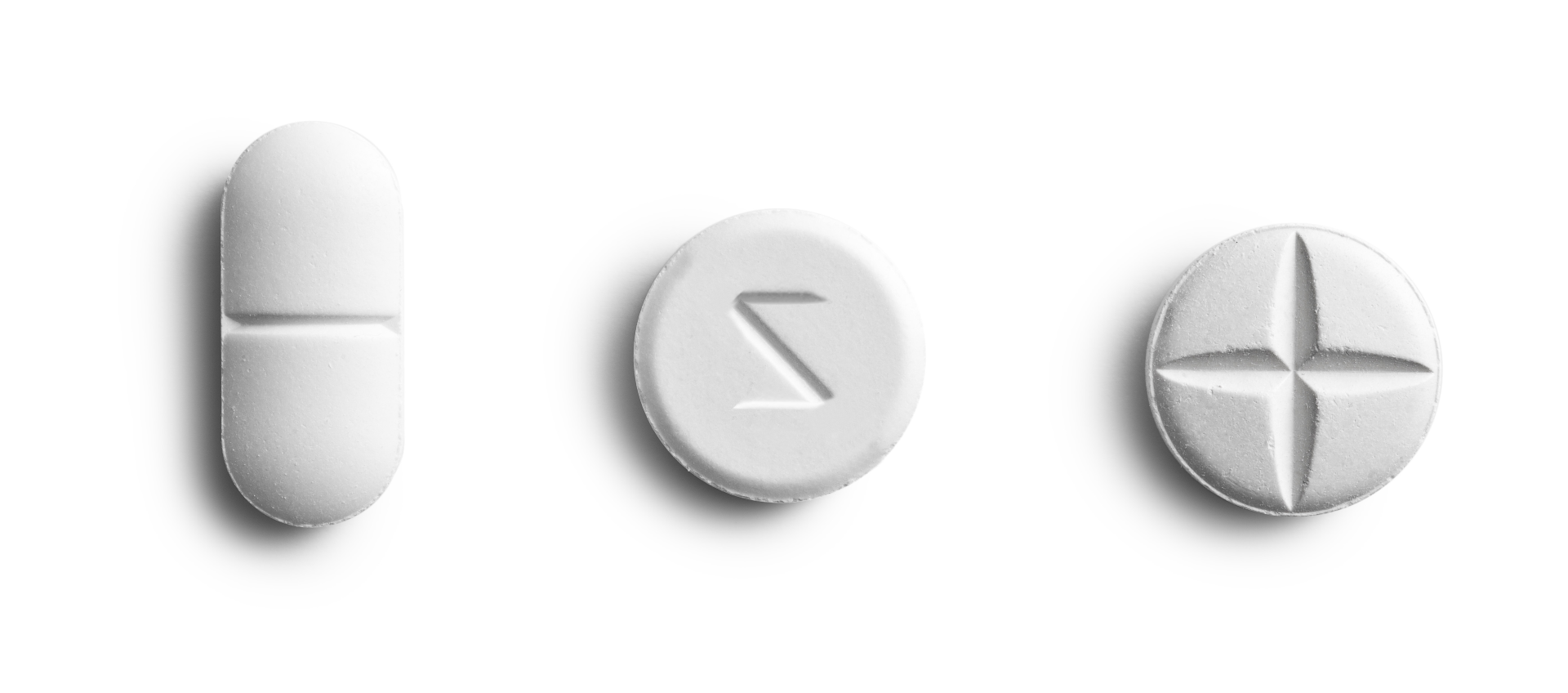
The landscape of synthetic opioids continues to change faster than most people realize. One of the most alarming newcomers is isotonitazene, often called “ISO.” This highly potent synthetic opioid has been linked to a growing number of overdose deaths across the U.S., including here in Los Angeles.
If you’re a parent worried about your child’s substance use or hearing about ISO for the first time, you’re not alone. Understanding what this drug is, how it’s being used, and why it’s so dangerous can help you take action before tragedy strikes.
Access safe support for your loved one
Our sober living in Los Angeles helps young men rebuild their lives after addiction through accountability, community, and connection.
What is isotonitazene?
Isotonitazene (ISO) is a novel synthetic opioid that belongs to a class of drugs known as nitazenes. They are chemical compounds first developed in the 1950s as pain relievers, but never approved for medical use. Like fentanyl, ISO is made entirely in laboratories, often overseas, and sold illegally in the U.S. as a “designer drug.”
Because it’s not a prescription medication, there’s no regulation, no quality control, and no guarantee of what’s actually in a pill or powder that contains ISO. Even a few milligrams (an amount smaller than a grain of salt) can be fatal [1]. Isotonitazene is a Schedule I substance under the Controlled Substances Act [5]. But much like other drugs, it remains a huge risk and is becoming more prominent in the illicit drug supply.
How potent is isotonitazene compared to fentanyl?
Early research suggests that isotonitazene may be as potent as fentanyl, and in some lab studies, it appears to be even stronger [2]. Like other nitazenes, ISO binds tightly to the opioid receptors and other parts of the brain that control pain and breathing, which can lead to rapid respiratory depression (where your breathing slows) and overdose.
Because the drug is so new, its exact potency in humans is not well established; however, experts agree it’s extremely powerful and unpredictable. Some batches have also been found mixed with other opioids such as protonitazene or N-desethyl isotonitazene, making the risks even greater.
Related: What is Fentanyl?
Where is ISO showing up?
One of the most dangerous aspects of the synthetic opioid isotonitazene is that many users don’t even know they’re taking it. It’s often sold within the illicit drug market as counterfeit pills disguised as common opioids and benzodiazepines such as OxyContin, Percocet, or Xanax, or mixed into powders like cocaine and heroin.
Parents and young adults should be aware that ISO can appear in:
- Counterfeit prescription pills purchased online or through social media
- Powders marketed as heroin or other opioids
- Pressed tablets with logos mimicking real medications
- Blotter paper or nasal sprays in some reported cases
Even experienced users can’t tell the difference by sight, taste, or smell.
What are the effects of isotonitazene?
Like other opioids, isotonitazene can cause:
- Euphoria or intense relaxation
- Drowsiness and slowed breathing
- Confusion or loss of consciousness
- Nausea or vomiting
- Blue lips or fingertips from lack of oxygen
Overdose can occur within minutes, and because ISO is so potent, multiple doses of naloxone (Narcan) may be needed to reverse its effects [3].
Why are synthetic opioids like isotonitazene so dangerous?
The rise of synthetic opioids has changed the face of addiction and overdose in America. ISO and other nitazenes are especially deadly because:
- They’re unregulated. There’s no way to know how strong or pure any given dose is.
- They’re often hidden. ISO is frequently mixed into other drugs without users knowing.
- They act fast. Overdose symptoms appear quickly and can overwhelm the body before help arrives.
- They resist reversal. Some nitazenes may not respond to standard naloxone doses, requiring repeated administration.
Even occasional use can be fatal (especially when combined with alcohol, benzodiazepines, or other depressants) [4].
How is ISO detected?
Most standard drug tests do not detect isotonitazene or other nitazenes. Specialized toxicology screens are needed, which means many overdoses involving ISO often go unrecognized. This has contributed to underreporting and delayed public awareness of its growing presence in the community [2].
If you suspect your loved one may be using pills or powders of unknown origin, it’s safe to assume they could contain ISO or similar substances. Fentanyl and nitazene test strips are becoming more available in some states and can offer limited protection. The only real way to safeguard is to abstain from illicit or counterfeit drugs altogether.
Can you overdose from just one pill?
With a drug as potent as isotonitazene, just one fake pill can have life-threatening consequences. Many young people don’t know that what looks like a “real” medication may actually contain ISO or fentanyl. That’s why open conversations and awareness are vital tools for parents and caregivers.
Warning signs of opioid overdose include:
- Slow or irregular breathing
- Pinpoint pupils
- Unresponsiveness or limp body
- Blue or gray lips and fingernails
If these occur, call 911 immediately and administer naloxone if available.
Related: Nodding Off: A Dangerous Sign
What can parents and young adults do to prevent overdose?
Education and open communication save lives. Here are key steps parents can take:
- Talk regularly and calmly about the risks of counterfeit pills and synthetic opioids
- Keep naloxone (Narcan) on hand
- Encourage honesty over punishment. Your teen or young adult is more likely to seek help if they feel safe doing so
- Connect with treatment and recovery communities early, before crisis hits
Families who act quickly often find that support, structure, and accountability are what turn fear into progress.
Related: What to Do After an Overdose
Rebuild your life after addiction
Find lasting recovery through the structure, accountability, and community that emphasizes integrity and growth.
Moving forward with hope and awareness
Isotonitazene and other nitazenes represent the next wave of the opioid epidemic. Based on what we know, their effects might be harder to detect, fatal in smaller amounts, and spread rapidly. For parents and young adults, awareness can make the difference between danger and safety.
At New Life House, we offer comprehensive sober living programs for those struggling with drug addiction to opioids and other psychoactive substances. We know that recovery is possible and are here to provide the resources, education, and support you need on your journey toward sobriety.
If someone you love is struggling, reach out for help. Healing takes time, but with the right environment and community, healing and long-term sobriety are within reach.
References
- Drug Enforcement Administration, Diversion Control Division, & Drug & Chemical Evaluation Section. (2025). ISOTONITAZENE. https://www.deadiversion.usdoj.gov/drug_chem_info/isotonitazene.pdf
- Evans-Brown, M., Ujváry, I., De Morais, J., Christie, R., Almeida, A., Jorge, R., Gallegos, A., Sedefov, R., & European Monitoring Centre for Drugs and Drug Addiction. (2020). EMCDDA technical report on the new psychoactive substance N,N-diethyl-2-[[4-(1-methylethoxy)phenyl]methyl]-5-nitro-1H-benzimidazole-1-ethanamine (isotonitazene). EMCDDA. https://www.euda.europa.eu/system/files/publications/13108/EMCDDA%20technical%20report%20on%20isotonitazene.pdf
- Naloxone DrugFacts | National Institute on Drug Abuse. (2025, September 24). National Institute on Drug Abuse. https://nida.nih.gov/publications/drugfacts/naloxone
- Shover, C. L., Falasinnu, T. O., Freedman, R. B., & Humphreys, K. (2020). Emerging Characteristics of Isotonitazene-Involved Overdose Deaths: A Case-Control Study. Journal of Addiction Medicine, 15(5), 429–431. https://doi.org/10.1097/adm.0000000000000775
- Schedules of controlled substances: Placement of isotonitazene in Schedule I. (2021, November 4). Federal Register. https://www.federalregister.gov/documents/2021/11/04/2021-23848/schedules-of-controlled-substances-placement-of-isotonitazene-in-schedule-i