
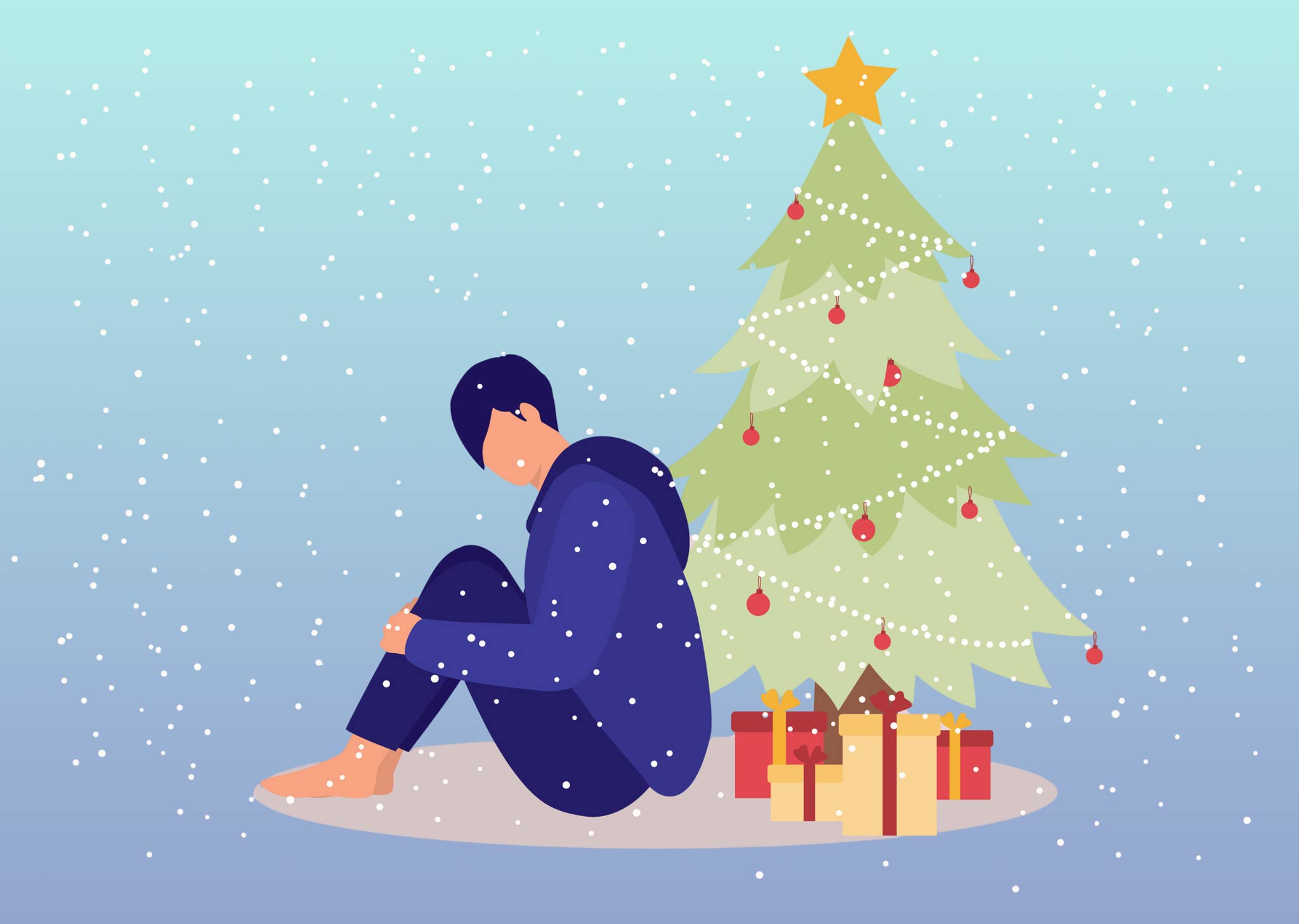
The holidays are known for feeling joyful, comforting, and full of connection, but that can not be the case for some. If you’re in recovery, actively struggling with addiction, or dealing with heavy emotions you can’t quite explain, this season might feel overwhelming instead of uplifting.
It’s common to notice more sadness, stress, anxiety, or cravings around this time of year. You might even wonder what’s wrong with you, or you can’t escape these triggers. Nothing is wrong with you. The holiday blues are real, and they can hit even harder if you’re working to stay sober, rebuild your life, or navigate complicated emotions with your family and loved ones during the holiday season.
What does having the holiday blues mean?
The “holiday blues” involve temporary feelings of sadness, loneliness, anxiety, or stress linked to the holiday season, often caused by high expectations, pressure, or unresolved emotional challenges [1].
Holiday blues may show up as:
- Feeling sad, drained, or emotionally overwhelmed
- More stress, irritability, or sensitivity
- Missing a family member or loved one
- Financial stress and strain over the inability to pay bills or buy gifts
- Feeling disconnected even when surrounded by family and friends
- Noticing increased negative emotions
- Sleep disruptions, including poor sleep or trouble winding down
- A sense that everyone else is happy while you’re struggling
These feelings are common, and even those who appear fine on the outside may be dealing with the same thing. But if you’re in recovery or managing a substance use disorder, these emotional shifts can feel heavier and more triggering.
No one should carry the holidays alone
If the season is bringing up more stress than joy, reach out. A supportive community can help support you through feelings of loneliness, overwhelm, or doubt.
The holiday season and your mental health
The term “holiday blues” covers a few different emotional experiences. Understanding what you’re feeling can help you figure out what kind of support you need, whether it’s home-based coping strategies or professional care.
What is holiday depression?
Holiday depression describes when low mood, hopelessness, or emotional numbness around the holidays starts affecting your daily life. These feelings can persist, impact motivation, or create a sense of emotional heaviness that doesn’t lift easily.
If you’re experiencing symptoms of major or clinical depression, such as persistent sadness, changes in sleep or appetite, trouble concentrating, or thoughts of self-harm, it can feel overwhelming. Reaching out to a healthcare provider or mental health professional gives you a safe space to be heard and supported. [2,3].
What is holiday anxiety?
For some, the biggest struggle is holiday anxiety, which can be triggered by:
- Intense, complicated family gatherings
- Pressure to meet unrealistic expectations
- Fear of disappointing family
- Social events where alcohol is everywhere
- Worrying about finances or travel
What is holiday stress?
Holiday stress is extremely common. More than one-third of Americans say they experience increased stress during the holidays, which can worsen symptoms of depression, anxiety, and overall mental health challenges [4].
Holiday stress can come from:
- Trying to do too much
- Financial stress or financial strain
- Grief or memories of lost loved ones
- Social obligations that feel draining
- Pressure to look or act “happy”
The combination of sadness, pressure, disrupted routines, and overstimulation can make the season especially difficult, particularly if you’re in recovery.
Seasonal affective disorder (SAD) and the winter months
Some holiday sadness is tied to the season itself. Seasonal affective disorder (SAD) is a form of depression linked to a seasonal pattern, usually triggered by reduced sunlight in the winter months.
SAD can cause [3]:
- Persistent low mood
- Lower energy
- Sleeping more than usual, yet not feeling rested
- Increased cravings for sugar or carbs
- Social withdrawal or social isolation
- Higher anxiety or irritability
When SAD overlaps with the holiday season, it can intensify emotional challenges and increase relapse risk.
Why are holidays so triggering?
Feeling triggered during the holidays doesn’t mean you’re weak or failing. It means your mind and body are responding to a uniquely intense time of year.
Unrealistic expectations
Movies, social media, and family traditions can create unrealistic expectations about what the holidays “should” look like. When reality doesn’t match this, it can lead to shame, disappointment, and unhealthy comparisons (especially if you’re rebuilding your life or repairing relationships).
Financial stress
The pressure of gifts, travel, food, and holiday events increases financial stress, which is linked to declines in mood and overall well-being [5].
For someone who used substances to numb stress or fear, this can be a major trigger.
Social isolation, grief & difficult relationships
You may be grieving someone, navigating estranged relationships, or facing tense interactions with a family member or loved one during this time of year. Even happy memories can cause sadness or longing. These emotions can lead to feeling lonely, overwhelmed, or disconnected from those around you.
Alcohol-centered gatherings
As you may very well know, holiday-related drinking spikes around Christmas and New Year’s, leading to higher rates of misuse and relapse [6]. When alcohol is normalized and encouraged at every gathering, staying sober becomes more challenging.
How long do holiday blues last?
For most people, holiday blues appear in the weeks before major holidays and lift once the structure and pressure of the season disappear.
However, if your feelings persist for more than two weeks, intensify, or interfere with your daily life, seeking professional support can help you work through your emotions [1,3].
How holiday blues increase relapse risk
The holiday season can disrupt your normal routine, increase emotional intensity, and expose you to triggering environments. Studies show that:
- Stress, sadness, and disrupted routines increase relapse vulnerability [6]
- Holiday-related alcohol use rises significantly during December [6]
- Reduced support or meeting attendance increases cravings
The good news is that you can plan around these risk factors and protect yourself from relapse.
Related: Is Addiction Relapse More Common During The Holidays?
What is the relapse rate during the holidays?
There isn’t one exact percentage, but research shows:
- Alcohol consumption spikes during Christmas and New Year’s [6]
- Stress and emotional intensity during the holidays increase vulnerability [4]
- People in early recovery face a higher risk when routine and support decrease
Your personal risk depends on what you’re walking into — and how prepared you are. Awareness is the first protective step towards relapse prevention.
Related: What to Do After a Relapse
How to maintain sobriety during the holidays
1. Set realistic expectations
Give yourself permission to do less. Creating realistic expectations reduces pressure, lowers shame, and makes it easier to stay present.
2. Protect your boundaries
If an event feels unsafe or triggering, you’re allowed to skip it. Bring a sober support person, have a plan, and put your recovery first.
Related: The Importance of Setting Boundaries
3. Prioritize self-care and your normal routine
Stick to the basics that keep you steady:
- Enough rest
- Movement
- Balanced meals
- Connection
- Meetings
- Therapy
These habits boost mood, reduce anxiety, and protect your physical well-being.
4. Create new traditions
You don’t need to repeat old patterns. Build new traditions that help you stay positive, grounded, and connected.
5. Talk about what you’re feeling
Shame thrives in silence. A simple, honest conversation about your feelings can take the power out of cravings and negative emotions.
6. Seek professional help when needed
If you’re feeling worse, losing motivation, noticing other symptoms, or struggling to function, seek professional medical advice or reconnect with your therapist.
Related: Staying Sober During the Holidays: Common Relapse Triggers and How to Combat Them
It’s okay to need extra support during the holidays
If you’re feeling overwhelmed or unsure how you’ll stay sober through the season, reach out now. Whether it’s therapy, peer groups, sober living, or checking in with someone who understands recovery, support is here for you.
How New Life House helps you navigate holiday blues and recovery
If you’re a young man navigating the holidays while working on sobriety, New Life House offers:
- Structured sober living with accountability and community
- Relapse prevention planning specific to holiday triggers
- Family programming to help your loved ones support you
- A supportive peer community that understands holiday blues, recovery, and emotional ups and downs
- Personalized routines that help you stay grounded and connected
Related: What is a Sober House and How Can it Transform Your Life?
You’re allowed to put your recovery first
You’re not alone if the holidays feel complicated. You’re not failing if you’re feeling sad, anxious, overwhelmed, or triggered.
You’re allowed to:
- Protect your boundaries
- Choose what supports your sobriety
- Build new traditions
- Ask for help
- Focus on your healing
If you or a loved one is struggling with the holiday blues and substance abuse, contact New Life House to learn more about our sober living in Los Angeles. With the right support and planning, you can move through this season in a way that protects your sobriety, honors your mental health, and strengthens your recovery.
References
- National Alliance on Mental Illness. (2024, February 9). Mental health and the Holiday blues | NAMI: National Alliance on Mental Illness. National Alliance on Mental Illness (NAMI). https://www.nami.org/press-releases/mental-health-and-the-holiday-blues/
- Depression. (n.d.). National Institute of Mental Health (NIMH). https://www.nimh.nih.gov/health/publications/depression
- Seasonal affective disorder. (n.d.). National Institute of Mental Health (NIMH). https://www.nimh.nih.gov/health/publications/seasonal-affective-disorder
- Americans are More Anxious than Last Year About the Upcoming Holidays; Health Care and the Economy. (n.d.). https://www.psychiatry.org/News-room/News-Releases/Americans-More-Anxious-About-the-Holidays
- HealthPartners. (2025, October 30). Dealing with depression during the holidays. HealthPartners Blog. https://www.healthpartners.com/blog/why-we-get-depressed-during-holidays/
- Hazards of Holiday Drinking and Tips for Maintaining Sobriety for Individuals with Alcoholism. (n.d.). https://www.psychiatry.org/news-room/apa-blogs/hazards-of-holiday-drinking-and-tips-for-maintaini